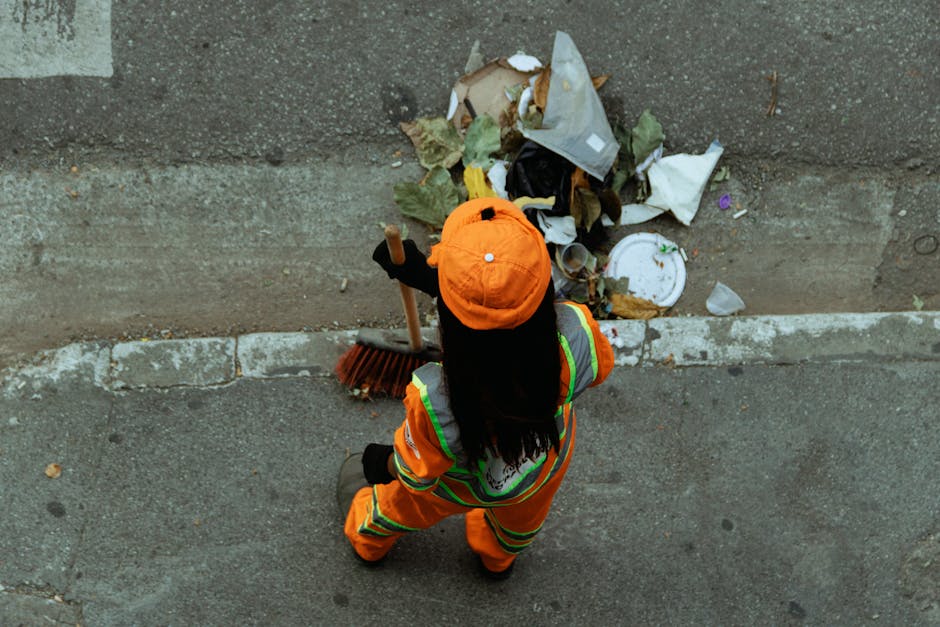
RBKC guidance on hazardous waste removal in W11
Posted on 05/07/2026
RBKC guidance on hazardous waste removal in W11: a practical local guide
Hazardous waste has a way of turning an ordinary clear-up into something more stressful than it first looked. A leaking paint tin in the hallway, a box of old chemicals in the basement, a broken fluorescent tube after a refit, or a bag of contaminated materials from a property clean-out can all raise the same question: what do you actually do next? If you are trying to follow RBKC guidance on hazardous waste removal in W11, the short answer is that you need to separate the risky stuff, keep people safe, and use a disposal route that fits the material and the level of danger.
This guide explains the basics in plain English. You will find out what counts as hazardous waste, why local handling matters, how the process usually works, what to avoid, and how to make sensible decisions if you are a homeowner, landlord, tenant, shop owner, or facilities manager in Notting Hill. No fuss. No guesswork. Just the practical stuff that helps you move safely and confidently.
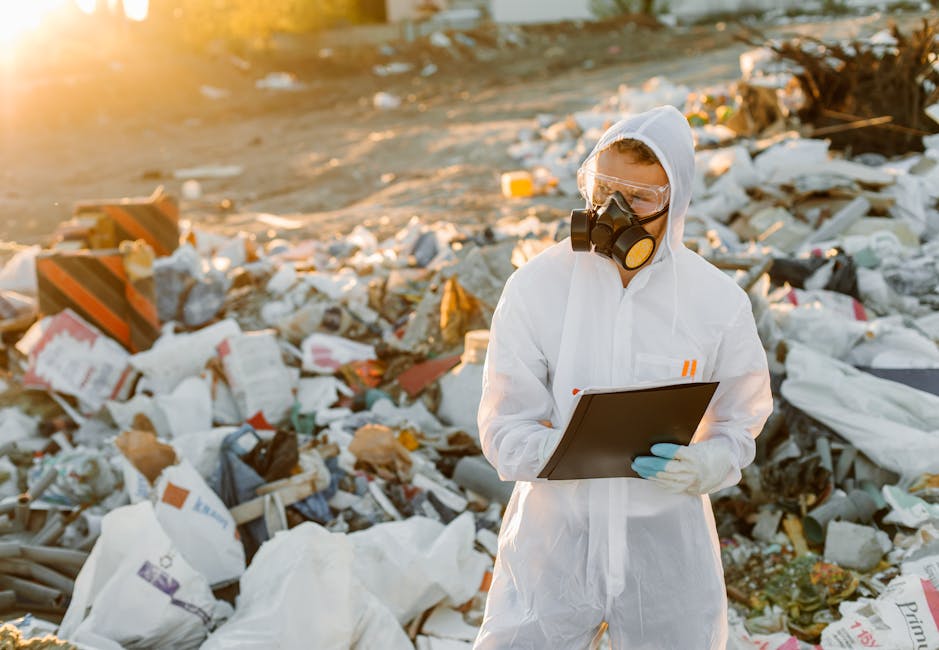
Why RBKC guidance on hazardous waste removal in W11 Matters
Hazardous waste is not just "difficult rubbish". It is waste that can harm people, damage property, or create environmental problems if it is stored, moved, or disposed of badly. In a dense area like W11, where flats, shops, mews houses, offices, and shared buildings sit close together, one badly handled item can affect neighbours as well as the person who owns it.
That is why local guidance matters. RBKC guidance on hazardous waste removal in W11 is about more than compliance for the sake of it. It is about reducing risk at the point where most mistakes happen: before disposal. A cracked container in a communal bin store, a half-sealed bag of solvent-soaked cloths, or a pile of mixed waste after decorating can all create avoidable danger. Truth be told, many problems start with "it'll be fine for now". That's usually where the trouble begins.
There is also a practical reason. Hazardous waste often cannot go through standard household or commercial waste routes. If you treat it like general waste, you may delay the job, expose people to harmful substances, or end up paying more later to fix a mistake. For landlords and businesses in particular, the knock-on effect can be messy: complaints, interrupted use of the premises, and the awkward job of explaining what happened. Not ideal.
For readers who want broader local context around life and services in the area, it can help to look at understanding everyday life in Notting Hill and the area-focused perspective in a day in Notting Hill's lively neighbourhood. Hazardous waste might sound like a narrow topic, but in real life it is tied to how homes and businesses function day to day.
How RBKC guidance on hazardous waste removal in W11 Works
At a practical level, hazardous waste removal follows a simple logic: identify the waste, keep it contained, separate it from general rubbish, and use the correct collection or disposal route. The exact route depends on the material. A few common examples include old paint, thinners, pesticides, solvents, batteries, fluorescent tubes, certain cleaning chemicals, oily rags, asbestos-containing materials, and some electrical items with hazardous components.
The first thing to understand is that "hazardous" does not always mean dramatic. A small container can still be hazardous if it contains the right substance. A barely used tin of solvent-based paint in the cupboard can be just as important to handle properly as a large drum in a commercial store room. Size is not the issue. Risk is.
In normal practice, the process begins with sorting. Then comes safe containment: lids secured, labels kept visible where possible, and leaks prevented. After that, the waste should be stored away from heat, children, pets, and high-traffic areas. Only then should you arrange the right disposal method. In some cases, that might mean a specialist collection service. In others, it may mean following a designated local facility or transfer route, depending on the type of waste and the rules that apply.
If the waste comes from a business, the process usually becomes more formal. You may need documentation, a clear description of the material, and a traceable handover so you can show where the waste went. For domestic cases, the paperwork may be lighter, but the safety principles are the same.
A useful way to think about it is this: if you would not want a child, cleaner, porter, or contractor to open the bag and handle it without protection, it probably needs special treatment. Not glamorous. Just sensible.
Key Benefits and Practical Advantages
Following the right guidance has benefits that go beyond "staying on the right side of the rules". You protect people, reduce disruption, and make the whole disposal process smoother. That alone can save a surprising amount of time.
- Safer handling: fewer chances of skin contact, inhalation, spills, or fire risk.
- Cleaner properties: hazardous items do not linger in cupboards, cellars, bins, or shared areas.
- Less disruption: you avoid repeated trips, emergency fixes, and last-minute confusion.
- Better compliance: especially important for landlords, managing agents, and businesses.
- Lower stress: once the waste is identified and contained, the job feels manageable again.
- Improved reputation: for businesses, good waste handling is one of those quiet signals that customers do notice.
There is also a subtle operational benefit. If hazardous waste is separated properly from the start, cleaners, movers, decorators, and maintenance teams can work faster and more confidently. You avoid the awkward moment when someone opens a box and says, "Oh, that shouldn't be in here." Yes, that moment. Nobody likes that moment.
For people planning wider property work, such as moving out, refurbishing, or preparing a business site, hazardous waste management often sits alongside other clean-up tasks. If you are already thinking about property condition and handover standards, you may also find it useful to read about end-of-tenancy preparation in Ladbroke Grove or transparent cleaning pricing for Notting Hill flats. Different topic, same need: clarity before the work starts.
Who This Is For and When It Makes Sense
This guidance is relevant to a wider group than many people expect. Hazardous waste does not only turn up at industrial sites. In W11, it often appears in homes, rentals, offices, small retailers, hospitality venues, and buildings undergoing repairs or clearance.
You may need to act on it if you are:
- a homeowner clearing out a shed, loft, basement, or utility cupboard;
- a landlord dealing with leftover materials after a tenancy;
- a tenant moving out and finding old chemicals or mixed waste;
- a shop owner or cafe operator managing stockroom waste or maintenance materials;
- an office manager organising a fit-out, refit, or archive clearance;
- a contractor or facilities lead handling site waste after repair work.
It also makes sense when the waste is mixed with general clutter. That is where people get caught out. A single bag might contain normal rubbish, but hidden inside could be batteries, broken bulbs, solvent wipes, or leftover cleaner bottles. If there is any uncertainty, pause and sort before moving it. A few extra minutes now can prevent a much bigger headache later.
For business settings, hazardous waste sometimes intersects with permits and other local rules. If your site is in a busy street or commercial area, it is worth understanding how local compliance can affect operational decisions. Our article on commercial cleaning permits and fines in Notting Hill is useful background reading for that broader compliance mindset.
Step-by-Step Guidance
Here is a practical way to approach hazardous waste removal without overcomplicating it.
- Stop and identify the item. Look at the label, container, smell, condition, and source. If it is leaking, fuming, or unknown, treat it cautiously.
- Separate it immediately. Keep it apart from general waste, food waste, soft furnishings, and anything that could absorb contamination.
- Contain it safely. Use the original container where possible. If that is damaged, place the item in a suitable secondary container and keep the lid secure.
- Keep it stable and upright. Do not stack heavy items on top. Do not leave fragile containers where they can be knocked over.
- Label it clearly if needed. If the original label is missing, write a plain description on the outside where safe to do so.
- Assess the type of waste. Paint, batteries, bulbs, cleaning chemicals, asbestos-related materials, sharps, and contaminated cloths all need different handling.
- Decide whether specialist help is required. If the material is unknown, large, damaged, or potentially dangerous, do not improvise.
- Arrange the right collection or disposal route. Use the method suited to the material and the scale of the job.
- Document what was removed. This is especially useful for landlords, managing agents, and businesses.
- Check the area afterwards. Make sure no residue, spill, broken glass, or secondary contamination remains.
That sounds straightforward, and mostly it is. But the critical part is resisting the urge to rush. If the item looks awkward, treat it as awkward. Simple rule, really.
A quick sorting rule that helps
If an item is sealed, clearly labelled, and in good condition, it is easier to manage. If it is leaking, mixed, crushed, unlabelled, or contaminated, you should slow down and treat it as higher risk. That one mental check solves a lot of avoidable problems.
Expert Tips for Better Results
After enough real-world clear-ups, a few patterns become obvious. The work goes better when people act early, keep things simple, and avoid mixing waste streams. A lot of the stress comes from poor sorting, not the waste itself.
- Deal with hazards before the main clearance. Do not bury a chemical container under bags of general rubbish and hope for the best.
- Use daylight for inspection where possible. A lot of damaged labels and leaks are easier to spot in daylight than under a dim hall bulb at the end of the day.
- Keep a small "unknowns" box. If you are sorting a property, put doubtful items aside rather than making a guess in the moment.
- Don't mix sharp items with absorbent waste. That is a classic mistake in rush jobs.
- Plan access first. In W11, narrow stairwells, basement steps, and shared hallways can complicate removal, so make a route before lifting anything.
- Think about the people around the waste. A cleaner, porter, child, or neighbour may not know what the item is. Protect them by default.
One small but useful habit: take a photo before moving anything. It helps with identification, keeps a record if questions come up, and can save time when discussing next steps with a specialist. Not fancy. Just handy.
If your hazardous waste is part of a larger maintenance issue, the same careful mindset applies to emergencies and damage control. For example, our guide on same-day response for emergency floods in W11 shows how quickly a local problem can become a much bigger one if it is not handled in the right order.
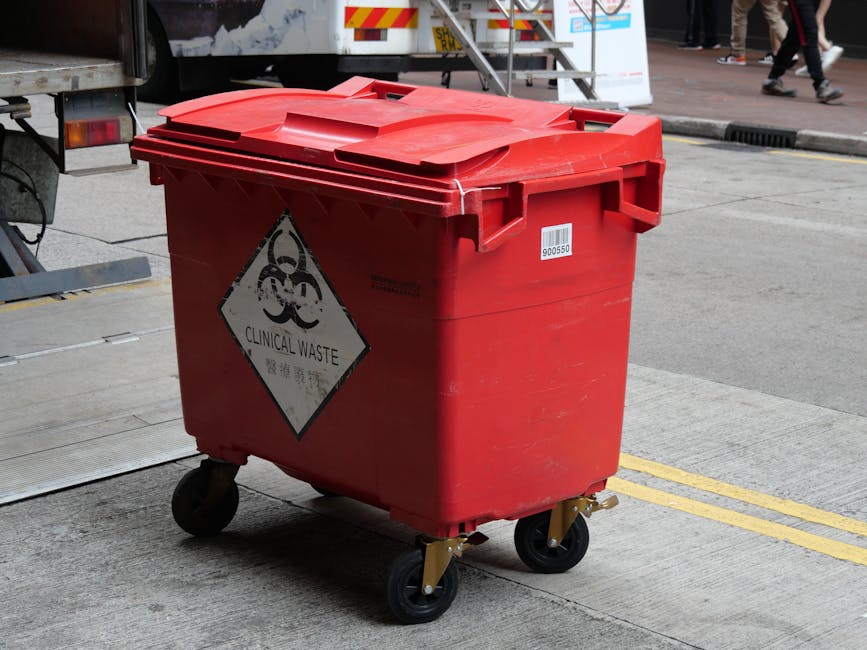
Common Mistakes to Avoid
Most hazardous waste mistakes are not dramatic. They are small, ordinary, human errors. The sort you make when you are tired, moving quickly, or just trying to get the job done before dinner. Fair enough, but still avoidable.
- Putting hazardous waste in general bins: this is the quickest route to contamination and potential refusal of collection.
- Mixing different substances: some combinations are unsafe and can create fumes or leaks.
- Moving damaged containers without protection: a broken bottle or cracked tub can cause injury in seconds.
- Assuming "small amount" means "no problem": tiny quantities can still be risky.
- Leaving waste in communal areas: that increases risk to everyone who passes by.
- Ignoring unknown labels: if you cannot identify it, do not make an educated guess and hope for the best.
- Forgetting about secondary contamination: a spillage can soak into cardboard, fabric, or flooring and carry the hazard further than expected.
Let's face it: no one wants a job that starts as a tidy-up and ends as a problem report. A careful pause at the start usually beats a messy clean-up later.
Tools, Resources and Recommendations
You do not need a truck full of equipment to manage small-scale hazardous waste sensibly. Most of the useful tools are basic, but they should be chosen carefully.
- Gloves suitable for the material: use appropriate protective gloves, not thin household gloves for everything.
- Seal-able containers: useful for secondary containment when an original item is damaged or unstable.
- Absorbent materials: for minor leaks, but use only when safe to do so.
- Labels and marker pens: helpful for identifying unknown items once safely contained.
- Plastic sheeting or liners: useful for protecting floors during movement.
- Trolley or sack truck: reduces manual handling where items are heavy or awkward.
- Waste log or note sheet: particularly useful for landlords and businesses.
For wider service planning, it can also help to review the business's general approach to safety and operations. Our page on health and safety policy is a sensible reference point if you are trying to align waste handling with broader site practices. Likewise, people arranging larger clean-downs often benefit from seeing the wider range of support in the services overview.
One more practical recommendation: if the waste involves contamination, liquids, or something you cannot easily identify, do not rely on "it probably won't be an issue". That phrase has caused more trouble than it deserves.
Law, Compliance, Standards, or Best Practice
Hazardous waste handling in the UK sits within a framework of legal duties, environmental expectations, and basic health and safety practice. The exact obligations depend on whether the waste is domestic or commercial, what the material is, and how much is involved. Because of that, it is best to treat the following as general best-practice guidance rather than one-size-fits-all legal advice.
In plain English, the core expectations are usually these:
- identify the waste as accurately as possible;
- store it safely so it does not leak, break, or spread contamination;
- keep it separate from general waste;
- use the correct collection or disposal route;
- maintain records where commercial activity requires them;
- protect workers, residents, and visitors from avoidable exposure.
Businesses and landlords tend to have more formal duties than ordinary householders, especially where waste is generated as part of a trade or managed property. If you are unsure where your situation sits, the safest approach is to assume the stricter standard applies until you have checked. That sounds cautious because it is.
Best practice also means using competent people for higher-risk jobs. Asbestos-related materials, sharps, unidentified chemicals, and contaminated waste should not be treated like a standard sack-and-clear job. They require judgement, and sometimes specialist equipment. If the site is busy, occupied, or in a shared building, extra care becomes even more important.
For readers dealing with property turnover, it may be useful to pair compliance thinking with practical clean-up planning. Articles such as clearance options for bulky waste on Westbourne Grove can help frame the wider logistics of clearing a space properly, not just throwing things away quickly.
Options, Methods, or Comparison Table
There is rarely just one way to deal with hazardous waste. The right method depends on the material, volume, urgency, and access conditions. Here is a straightforward comparison of the common approaches.
| Method | Best for | Advantages | Limitations |
|---|---|---|---|
| On-site sorting and safe storage | Small, contained items that are already identifiable | Low disruption, keeps things organised, useful as a first step | Not a disposal solution on its own |
| Specialist collection | Damaged, awkward, or higher-risk waste | Safer for hazardous materials and usually more efficient | May require preparation and clear description of the waste |
| Structured commercial removal | Offices, shops, managed properties, and refurbishment jobs | Good for larger volumes, records, and repeat needs | Needs planning and compliance awareness |
| Mixed-clearance with careful pre-sorting | Properties with clutter plus a few hazardous items | Efficient when there is a broader clearance job | Risky if the hazardous items are not separated early |
If you are deciding between approaches, ask a simple question: is the waste safe, known, and stable enough to remain where it is until the right collection can happen? If the answer is no, you need a more controlled route. No drama. Just control.
Case Study or Real-World Example
A fairly typical W11 scenario goes like this. A landlord is preparing a flat for re-letting after a long tenancy. The main rooms are fine, but the kitchen cupboard contains a half-used tin of solvent-based paint, a bottle of strong cleaner, a pack of old batteries, and a damaged light tube in a cardboard box. Nothing looks enormous. Nothing looks theatrical. But together, the items create a disposal problem if they are treated like normal rubbish.
The sensible approach is to pause the general clearance, separate the items, keep the bottles upright, remove anything that is cracked or leaking with care, and store the waste in a secure place until the correct removal route is arranged. Meanwhile, the rest of the flat can be cleaned and prepared as normal. That means the whole job keeps moving instead of being blocked by one risky cupboard.
What makes this kind of case interesting is that the issue is rarely the amount. It is the combination of unknowns, access, and time pressure. The property is usually already under deadline. The builder wants to start. The cleaner wants to finish. The letting agent wants photos. Everyone wants the room done yesterday. But rushing hazardous waste is how avoidable mistakes happen.
In our experience, the best outcomes come from doing the quiet work first: identify, separate, contain, then remove. The rest of the project becomes easier almost immediately.
Practical Checklist
Use this quick checklist before moving or arranging hazardous waste removal in W11.
- Have I identified what the item is, or at least what it might be?
- Is it leaking, broken, pressurised, dusty, or contaminated?
- Have I kept it away from general waste and absorbent materials?
- Is the container secure and upright?
- Do I need gloves, a trolley, or secondary containment?
- Is the waste in a shared area where other people could touch it?
- Have I separated hazardous items from bulky waste and normal rubbish?
- Do I know whether this is a domestic or commercial disposal situation?
- Do I need a specialist collection instead of a standard clearance?
- Have I left the area clean, dry, and free from secondary contamination?
If you can tick most of those boxes, you are in a much safer place already. If not, stop and sort the problem before you move it. That is the honest answer.
Get a free quote today and see how much you can save.
Conclusion
RBKC guidance on hazardous waste removal in W11 is really about doing ordinary things in the right order: identify the risk, separate it, contain it, and use the correct disposal route. That may not sound exciting, but it is what keeps a clear-out safe, tidy, and genuinely under control.
Whether you are clearing a flat, emptying a basement, managing a shop stockroom, or getting a property ready for handover, the same principle applies. Do not let hazardous waste sit quietly in the background while everything else moves ahead. Deal with it early, and the rest of the job becomes calmer, cleaner, and a lot less awkward.
And honestly, that little bit of caution often makes the whole place feel better straight away. A cupboard cleared properly. A hallway free of worry. Small thing, big relief.