Restoring a Victorian terrace on Pembridge Villas
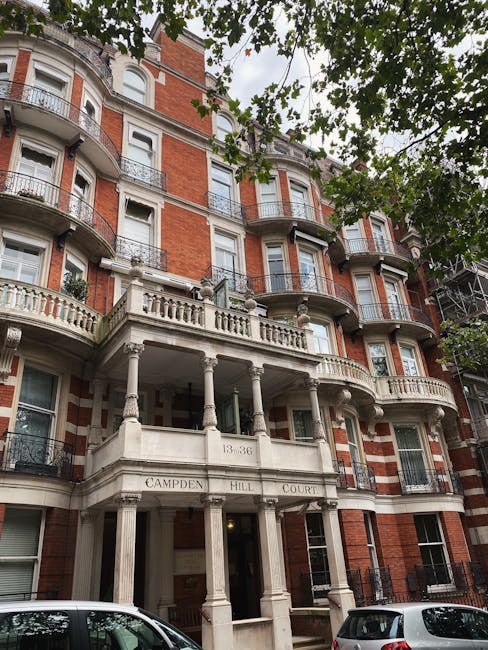
Restoring a Victorian terrace on Pembridge Villas is one of those projects that looks straightforward from the street and then quietly turns into a hundred decisions behind the scenes. Original cornices, sash windows, worn brickwork, old timber floors, awkward layouts, hidden damp. The charm is absolutely there, but so are the quirks. And to be fair, that is exactly why people take on these homes in the first place.
If you are thinking about a careful Victorian terrace restoration in Pembridge Villas, the key is not simply making the property look prettier. It is about protecting the character of the house, improving how it works day to day, and avoiding the kind of heavy-handed work that can wipe out the very features you wanted to save. This guide walks through the practical side of the process: what matters, how the work usually unfolds, where the risks sit, and what good results tend to look like in a London terrace with history in its bones.
Why Restoring a Victorian terrace on Pembridge Villas Matters
Victorian terraces in this part of west London were built with a strong sense of proportion, craft, and durability. You can still see it in the tall ceilings, the generous window openings, the timber joinery, and the way light moves through the rooms in the morning. That character is not decorative fluff. It is part of the value of the building, both emotionally and financially.
When restoration is done well, the property keeps its period identity while becoming more usable for modern life. When it is done badly, the house can end up with mismatched finishes, trapped moisture, poor ventilation, and a layout that somehow feels less comfortable than before. That is the real tension with older homes: you want improvement, but not at the cost of the building's long-term health.
On Pembridge Villas, where terraces often sit in tightly arranged streets and a mix of neighbours, basements, front elevations, and shared walls can all matter, restoration also has a local dimension. You are not only dealing with a house in isolation. You are working within a street scene, a building type, and a neighbourhood context that rewards restraint. The best restorations tend to be the ones that feel invisible in the right ways.
Expert summary: The smartest Victorian terrace restoration is usually the least dramatic one from the outside. Keep what works, repair what can be saved, and only replace when there is a clear reason. That approach often delivers better comfort, better longevity, and a more authentic finish.
How Restoring a Victorian terrace on Pembridge Villas Works
In practical terms, restoration is a sequence of assessment, prioritisation, repair, and finishing. It is rarely a single trade job. More often it is a coordinated process that touches several layers of the home at once: structure, exterior envelope, joinery, interiors, services, and decorative detailing.
The first stage is understanding the property as it stands. A Victorian terrace may look fine at first glance, yet conceal movement in the masonry, patched plaster, outdated wiring, hidden damp caused by poor breathing walls, or timber decay around window boxes and floor edges. That is why a proper survey or detailed inspection matters before anybody starts opening things up. You do not want to renovate blind. Nobody does, really, but it happens more often than people admit.
From there, the work usually follows a sensible order:
- Identify urgent issues such as water ingress, failing roof elements, unsafe electrics, or unstable plaster.
- Decide what should be retained, repaired, or replaced.
- Plan the building work around the structure first, then the fabric, then the finishes.
- Use materials that suit the age and behaviour of the house.
- Allow time for drying, curing, and adjustment between stages.
One useful way to think about it is this: Victorian houses were designed to move a little, breathe a little, and age gradually. A modern restoration should respect that rather than forcing the home into a rigid, sealed-up, over-renovated state. That is where many projects go sideways.
Key Benefits and Practical Advantages
A careful restoration can transform how a terrace feels without erasing what makes it special. The benefits are not just aesthetic, although yes, a properly restored facade and well-balanced interiors are lovely to live with. The practical gains matter too.
- Better comfort: Draughts, cold spots, and uneven temperatures can often be reduced with thoughtful repairs and insulation choices that suit the building.
- Longer life for original features: Restored timber windows, floors, fireplaces, and plasterwork often last far longer than rushed replacements.
- Improved day-to-day usability: Better layout flow, lighting, storage, and services make the house easier to live in without flattening its character.
- Reduced maintenance headaches: Addressing leaks, defective finishes, or poor prior repairs early can stop small problems becoming expensive ones.
- Stronger resale appeal: Buyers in areas like Pembridge Villas tend to notice authenticity, quality, and coherence very quickly.
There is also a quieter benefit that people sometimes underestimate: the sense of calm you get from a house that feels coherent. Not trendy. Not overfinished. Coherent. That is a different thing entirely, and it shows.
Who This Is For and When It Makes Sense
This kind of project suits homeowners, investors, and buyers who want a Victorian terrace to feel properly looked after rather than merely modernised. It is especially relevant if the property has original features worth protecting, if previous work was inconsistent, or if the building has started to show signs of age in a way that needs more than cosmetic fixes.
It also makes sense if you have just bought the home and want to understand what you are dealing with before committing to a full refurbishment. In fact, that is often the best time to plan. Once you start stripping out old layers, you may discover hidden issues that change the order of work. Better to know early.
You may be a good candidate for restoration rather than full redesign if any of these sound familiar:
- The staircase, coving, fireplaces, or joinery are still present and salvageable.
- The facade has age and texture you want to keep.
- The property feels slightly tired rather than fundamentally unsuitable.
- You want comfort improvements without losing period character.
- You are balancing heritage sensitivity with practical family living.
On the other hand, if the house has suffered heavy alteration over many years, restoration may need to be paired with selective redesign. That is not failure. It is just honesty.
Step-by-Step Guidance
1. Start with a detailed condition check
Before any design decisions, get a clear picture of the house's current condition. Look for damp staining, cracked plaster, uneven floors, rotten sills, failing pointing, roof defects, and signs of previous poor repair. A Victorian terrace often gives clues if you know where to look. A small patch of bubbling paint, for example, can be the polite version of a much bigger issue.
2. Separate urgent repairs from wish-list improvements
It helps to divide the project into three categories: must-fix items, sensible upgrades, and aesthetic choices. Safety and weatherproofing come first. Then come comfort and function. Only after that should you start choosing finishes. Otherwise, you can end up spending money on decorative details while the building quietly complains in the background.
3. Protect the original fabric where possible
Repairing original elements is usually better than replacing them unless the damage is too far gone. That might mean splicing timber, reusing floorboards, repairing plaster, or restoring sash windows rather than ripping them out. The key question is simple: can this be made sound without losing too much of its original material?
4. Upgrade services carefully
Older terraces often need electrical upgrades, heating improvements, and plumbing changes. These are important, but they should be threaded through the property with care. Chasing walls too aggressively, boxing in everything, or forcing bulky new systems into awkward places can cause more harm than good.
5. Address moisture properly
This is a big one. Victorian homes behave differently from modern sealed houses. If moisture is trapped by impermeable materials or bad detailing, problems tend to show up later in plaster, timber, and decoration. The answer is usually not panic. It is diagnosis, patience, and the right materials in the right places.
6. Finish in a way that suits the house
Once the heavy work is complete, finishes should support the building rather than fight it. That means careful paint selection, measured colour use, decent ironmongery, and details that feel consistent from room to room. Small things matter. A lot, actually.
Expert Tips for Better Results
In our experience, the best Victorian terrace projects are the ones where the client makes calm decisions early and avoids trying to solve every problem at once. Here are a few practical tips that help.
- Keep a materials palette and stick to it. Too many finishes can make a period house feel fragmented.
- Respect the building's breathing behaviour. Older walls and floors often need vapour-open, compatible materials rather than hard modern sealants everywhere.
- Prioritise the street-facing elevation. Pembridge Villas has a strong visual rhythm, so first impressions matter more than people sometimes expect.
- Test small areas before committing. One wall, one floor section, one joinery repair. It is better to learn on a small patch than on the whole house.
- Plan for dust, noise, and temporary disruption. Anyone who has lived through a terrace restoration will tell you the same thing: it gets worse before it gets better. Annoyingly true.
- Leave room for the unexpected. Older houses almost always reveal one surprise or another once work starts.
One small but important point: do not let urgency push you into over-specification. A beautifully detailed but incompatible solution can look impressive on paper and still fail in real life. You want durability, not drama.
Common Mistakes to Avoid
Many restoration problems are avoidable if you know what to watch for. The common mistakes are often less about bad intentions and more about rushing, oversimplifying, or trying to make an old house behave like a new one.
- Ignoring hidden defects: Fresh paint does not fix damp, movement, or decay. It just hides them for a while.
- Replacing original features too quickly: A door, window, or fireplace can often be repaired at lower long-term cost than a full replacement.
- Using incompatible materials: Hard cement, impermeable paints, or the wrong insulation build-up can cause issues in traditional walls.
- Skipping proper sequencing: Decorating before structural or moisture issues are resolved nearly always leads to rework.
- Over-modernising the plan: Open-plan ideas can work, but only when they suit the structure and light of the house.
- Underestimating permissions and neighbour considerations: In London terraces, party wall matters, access, scaffolding, and shared boundaries need proper thought.
There is also a subtler mistake: assuming that restoration means freezing the house in time. It does not. The best result is usually a well judged balance of old and new, with the new quietly doing its job.
Tools, Resources and Recommendations
Different projects need different levels of help, but a few resources are consistently useful. A measured survey, good photographs before work begins, and a written schedule of priorities can save a great deal of confusion later. Even a simple room-by-room note list helps more than people expect.
For physical work, restoration often involves a mix of hand tools and specialist equipment depending on the trades involved. You might be dealing with moisture meters, plaster repair tools, timber treatment methods, pointing tools, dust control systems, or window restoration equipment. The point is not the tool itself. It is using the right method for the material.
If the project generates waste, dust, or stripped-out materials, planning for removal and clean-up matters too. A property in active restoration can become surprisingly cluttered, and not just the glamorous kind of clutter. Old skirting, broken plaster, packaging, and rubble have a habit of taking over fast. For related cleaning support after works, some homeowners also look at after-builders cleaning or a deeper reset such as deep cleaning once dusting and finishing stages are complete.
When working through the property, it can also help to think about the finished home, not just the building phase. Fresh interiors often benefit from practical follow-up care such as house cleaning or regular cleaning, especially if the restoration has been phased over several months.
Law, Compliance, Standards, or Best Practice
Any restoration in a London terrace should be handled with care around compliance and good practice. The exact requirements depend on the scope of work, the building's status, and the nature of the alterations. If the property is in a conservation area or has any listing-related sensitivity, extra caution is wise. Even when formal permission is not required, good practice still matters.
In practical terms, that means checking whether works affect structure, party walls, drainage, electrics, ventilation, fire safety, or the external appearance of the house. It also means using competent trades and keeping clear records of what has been done. If a surveyor, architect, or contractor advises a particular approach, ask why. Good professionals should be able to explain it in plain English without hiding behind jargon.
Building control, party wall considerations, and health and safety obligations may all become relevant depending on the project. The safest approach is to treat compliance as part of the design, not a box to tick at the end. That avoids costly surprises, and frankly it makes the whole job much less stressful.
If waste handling or site safety becomes a concern during the project, it is worth reading the company's published policies, including health and safety policy, insurance and safety, and recycling and sustainability. Those pages are not a substitute for professional advice on your specific build, but they do show the sort of standards you should expect from any supplier involved in the wider project.
Options, Methods, or Comparison Table
Not every Victorian terrace needs the same level of intervention. Sometimes you are looking at light restoration. Sometimes you are basically rebuilding sections of the house while trying to preserve its soul. The right route depends on condition, budget, and long-term plans.
| Approach | Best for | Typical strengths | Watch-outs |
|---|---|---|---|
| Conservation-led repair | Homes with strong original character | Keeps more original fabric, usually feels authentic, often good for long-term value | Can be slower and needs more specialist judgement |
| Selective refurbishment | Properties needing updates in key rooms only | More cost-controlled, easier to phase, practical for busy households | Can leave the house feeling slightly uneven if not coordinated |
| Full restoration and reconfiguration | Heavier deterioration or poor past alterations | Solves deeper issues, allows layout improvements, can future-proof the home | Higher disruption, higher planning burden, more decisions |
For many Pembridge Villas terraces, a hybrid approach works best. Keep the front-of-house character, repair the key original features, and modernise only where the house genuinely benefits. That balance is not flashy, but it ages well.
Case Study or Real-World Example
Here is a realistic example, without pretending every house is the same. A terrace owner on a nearby west London street inherits a property with beautiful stair balustrades, worn pine floorboards, patchy previous plaster repairs, and a kitchen that had been added in a hurry years earlier. The rooms felt dark, but the bones of the house were good.
The first stage was not design-led at all. It was diagnostic. The team checked for moisture around the rear elevation, assessed the timber condition at the sash windows, and looked closely at the plaster where cracking had developed near openings. Only once that was clear did the owner choose what to keep and what to alter.
The result was not a trendy reinvention. The staircase stayed. The floors were repaired and retained. The layout was improved modestly rather than dramatically. The kitchen was adjusted so light moved better through the ground floor. External defects were fixed before decoration. And the house, importantly, still felt like itself. New yes, but still recognisably Victorian.
That is the win in these projects. Not perfection. Continuity.
Practical Checklist
Use this checklist if you are starting to plan a Victorian terrace restoration and want to stay grounded while the decisions pile up.
- Commission a proper inspection or survey before any major decisions.
- Map visible defects room by room, including outside elevations.
- Separate urgent repairs from aesthetic upgrades.
- Check whether planning, building control, or party wall issues may apply.
- Decide which original features must be retained.
- Choose materials that suit older masonry and timber construction.
- Plan for moisture management and ventilation, not just decoration.
- Sequence the work so structural, fabric, and finish stages happen in the right order.
- Budget a contingency for surprises. Because there will probably be one. Maybe two.
- Arrange post-work cleaning and follow-up maintenance so the property settles properly.
Quick reality check: if a proposed solution feels too fast, too neat, or too good to be true, slow down and ask a few more questions.
Get a free quote today and see how much you can save.
Conclusion
Restoring a Victorian terrace on Pembridge Villas is as much about judgement as it is about workmanship. The most successful projects respect the age of the building, solve the right problems in the right order, and avoid overcooking the details. That is what gives the house its calm, lived-in quality when the dust finally settles.
If you are planning this kind of project, the best next step is usually a measured one: inspect carefully, define your priorities, and build a plan that protects both the structure and the character of the home. It is a bit of work up front, yes. But it pays off every time you walk through the front door and think, quietly, this feels right.
And honestly, that feeling is worth chasing.
Frequently Asked Questions
What makes a Victorian terrace restoration different from a normal refurbishment?
A Victorian terrace restoration usually focuses on retaining and repairing original fabric, not simply updating finishes. That means more attention to timber, plaster, brickwork, ventilation, and period details. A standard refurbishment may prioritise speed or style changes; restoration prioritises the building's character and long-term behaviour.
Should I repair original features or replace them?
As a general rule, repair first if the feature is structurally sound enough to save. Original sash windows, floorboards, doors, and plaster details often have more value than people realise. Replacement can be the right choice where damage is severe, but it should not be the default.
How do I know if damp is a serious issue?
Persistent staining, musty smells, peeling paint, crumbling plaster, and rotten timber can all point to damp problems. The cause might be roof leaks, poor drainage, condensation, or incompatible materials. The important thing is to identify the source rather than just treating the surface.
Can I modernise a Victorian terrace without ruining the character?
Yes, absolutely. Good modernisation is about restraint. You can improve heating, lighting, storage, and layout while keeping original features and proportions intact. The trick is making new interventions feel like they belong there, rather than shouting over the house.
How long does a restoration project usually take?
It depends on scope, hidden defects, and the level of detail involved. A lighter phased project can move faster, while a full restoration with structural or moisture issues can take much longer. Older homes often need more flexibility than people expect, which is annoying but normal.
Do I need planning permission for restoration work?
Sometimes yes, sometimes no. It depends on the type of work, whether the property is listed, and whether the changes affect the exterior or structure. Even where permission is not required, building control, party wall matters, and other approvals may still come into play.
What are the most common mistakes people make?
The biggest mistakes are rushing the process, covering up defects, using incompatible materials, and replacing original features too quickly. Another common one is deciding on finishes before the building issues are resolved. That tends to cost more in the end.
Is it worth restoring a terrace before selling?
It can be, especially if the house has strong period features or obvious repair issues that are putting buyers off. Careful restoration can improve presentation and confidence, but the work should be targeted. Over-investing in areas the market will not reward is rarely sensible.
What should I budget for in a project like this?
Budgets vary a lot depending on condition and ambition, so it is safer to think in phases than fixed assumptions. Always allow contingency for hidden defects, because older properties often reveal more once work starts. A realistic allowance is one of the best stress-reduction tools you have.
Can I live in the house during the restoration?
Sometimes, yes. It depends on how much of the property is being worked on and whether the work affects key services or access routes. Living on site can save money, but it can also be tiring. If you are doing it, prepare for dust, noise, and the occasional week where the kettle becomes your best friend.
What should I look for in a contractor or trades team?
Look for people who understand older buildings, explain things clearly, and do not push one-size-fits-all solutions. You want practical experience with traditional materials, moisture management, and careful sequencing. A good team should talk about the building, not just the finish.
How do I keep the finished home easy to maintain?
Choose durable materials, avoid overly complicated detailing, and build in sensible access for maintenance. Then set up a simple routine for cleaning, checking gutters and windows, and watching for early signs of wear. The low-drama option is usually the best one, truth be told.